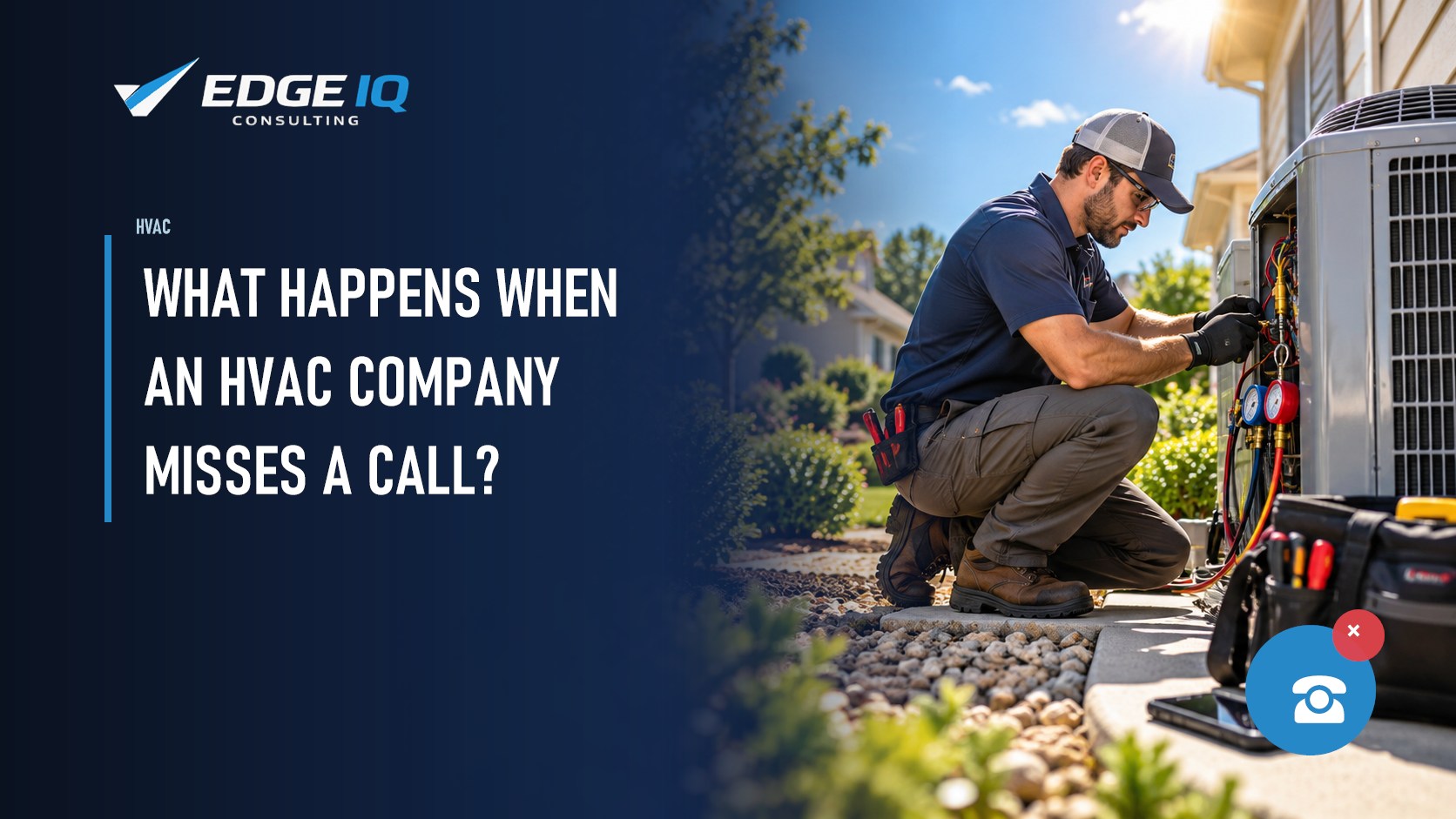
Short answer: when a homeowner has no heat after hours or no cooling during a July rush, they are not waiting long. They call until someone answers or acknowledges the request. A reliable answering workflow gives your team a cleaner first touch: acknowledge the call, collect the right details, and route the request for follow-up when staff are busy.
Why HVAC calls get missed when homeowners feel the most urgency
HVAC demand does not arrive evenly. A first heat wave, cold snap, or severe storm can increase call volume quickly while technicians are already in the field and office staff are supporting active customers. For a homeowner, no cooling in July or no heat in January can feel urgent. They may call several companies until someone acknowledges the situation and explains the next step.
A missed call is usually a capacity and handoff problem
Most HVAC owners are not ignoring callers. Their teams are serving customers, coordinating technicians, and answering parts questions. The gap appears when no one is available to answer, document the request, and get it to the right person for follow-up.
What a governed AI answering workflow can do
A governed AI answering workflow can:
- Answer in your company’s name.
- Collect key details: name, phone, service address, equipment concern, and whether the caller has no heat or no cooling.
- Route the request using rules you approve.
- Provide approved answers to common questions.
- Capture the booking request and notify the right person.
- Schedule qualified callers only when calendar or CRM access, availability rules, and approval logic are in place.
Where your team stays in control
Your team determines the services you offer, service area, operating hours, escalation rules, and approved responses. A person still owns exceptions, pricing questions, complex situations, follow-up, and decisions that require judgment.
What to measure
Track a few practical numbers before and after the workflow is in place:
- After-hours voicemail rate.
- Percentage of callers responded to within 10 minutes.
- Calls logged but never contacted.
- Percentage of qualified callers scheduled.
Compare those numbers against your call volume, staffing, seasonality, and service mix. That shows where the handoff is breaking down and whether an AI answering workflow fits your operation.
See how the HVAC answering workflow sounds
Edge IQ Consulting builds and manages the answering workflow around your services, service area, hours, and after-hours expectations. If you want to hear how it could work for your HVAC company, start with a short review of your current call flow and systems.
Hear it first, then map your call flow.